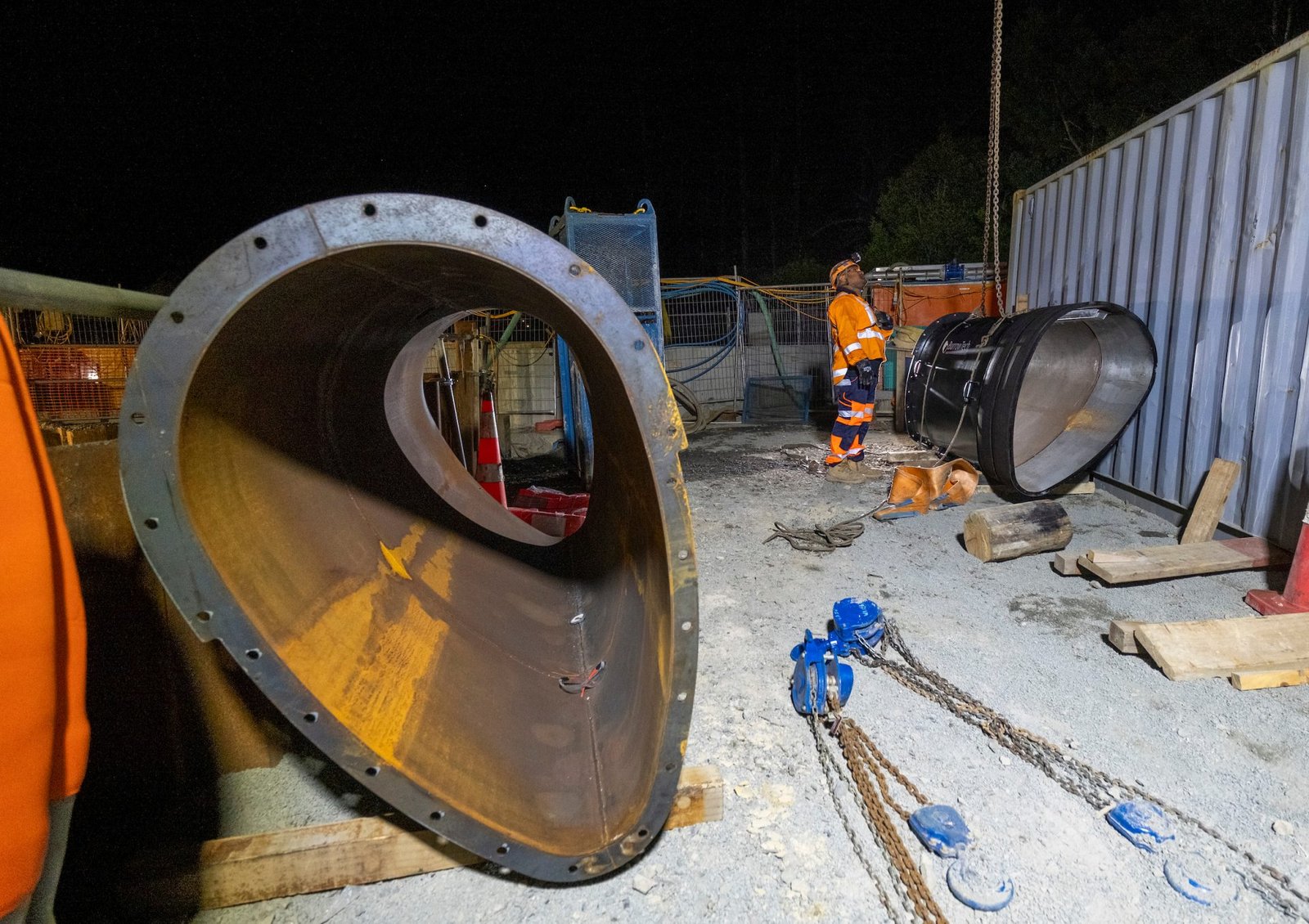
Tunnelling may have finished on Watercare’s massive Central Interceptor wastewater project but there’s still plenty of interesting and varied work as construction teams work towards completing the project next year.
The final tunnel boring machine through break through occurred at Point Erin Reserve, Herne Bay in March. Now the giant tunnel is being connected to the local wastewater network along the tunnel route.
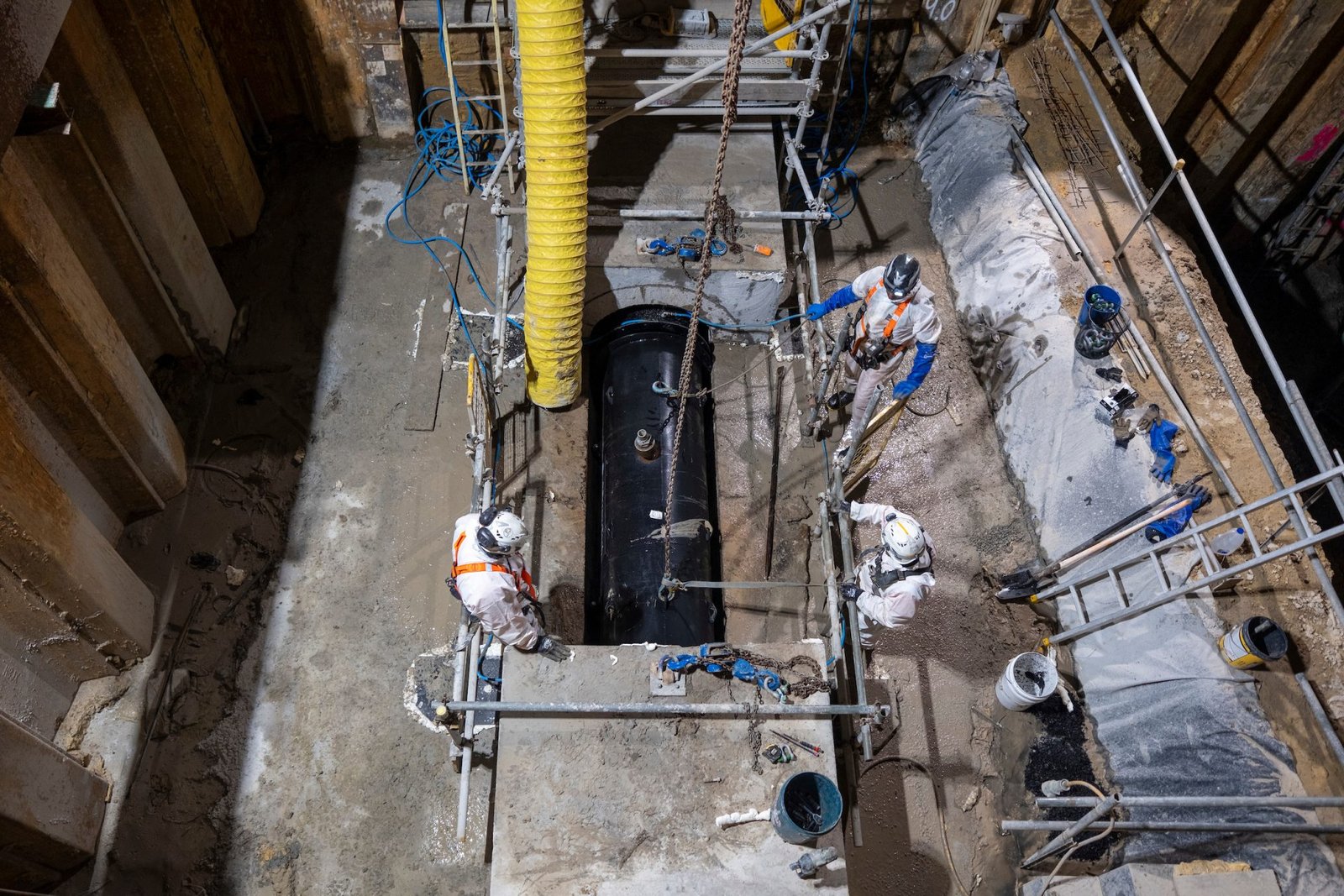
Hayden Powell, from the BurrowTech team says crews working at the Rawalpindi Avenue site, Mount Albert faced a particular challenge because space was tight. The existing pipe was smaller in diameter than pipes further down the line, and also, as he explains, fragile.
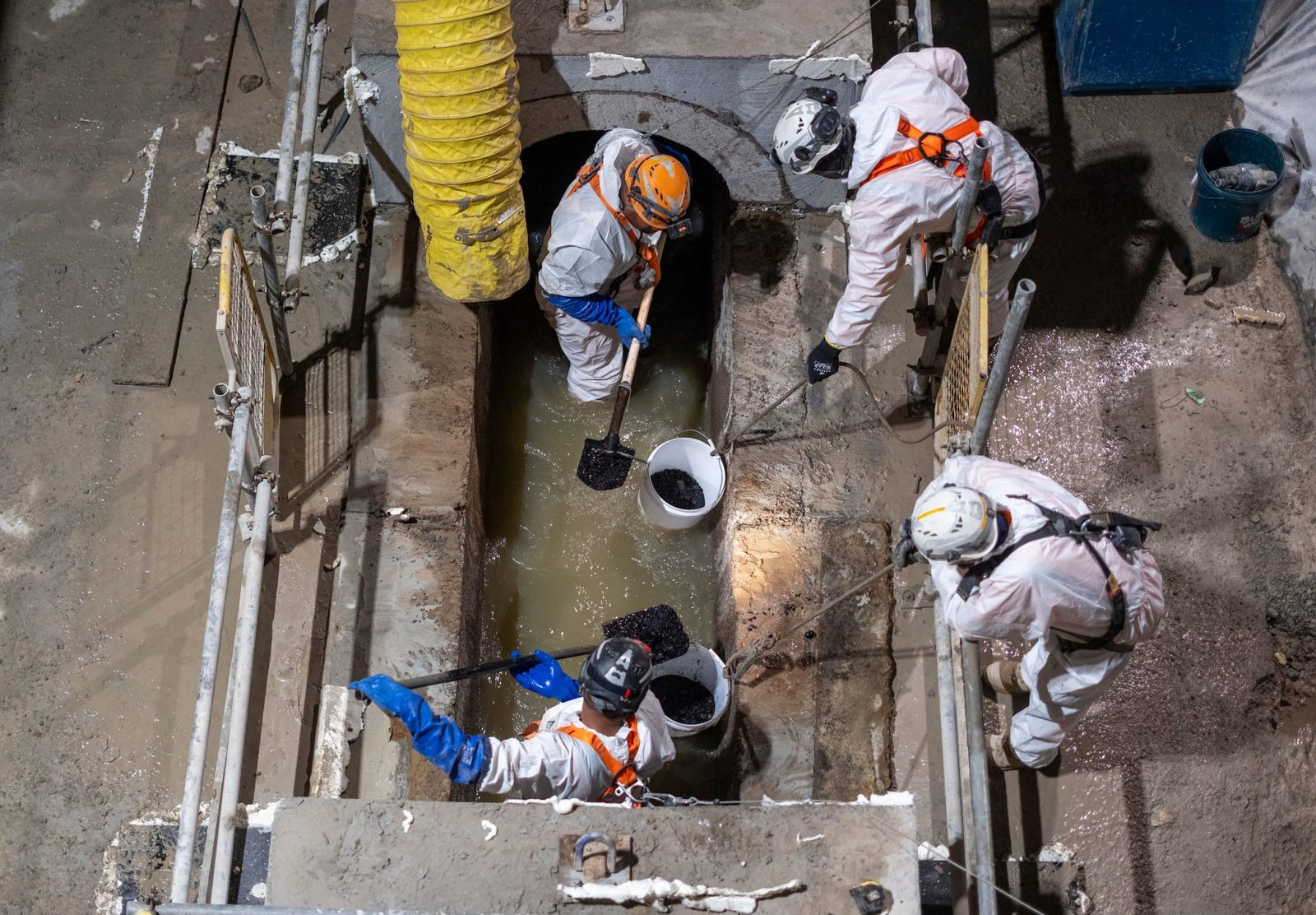
“The existing Rawalpindi Street pipe is double layered brick and egg shaped. Cleaning it out was hard, because it couldn’t take full high pressure water – you had to take care. At the same time, it was difficult to get an exact profile to work with, because of up to 300mm of debris in the pipe.”
The worksite was also in a residential area with a very sensitive environment (a reserve) close by.
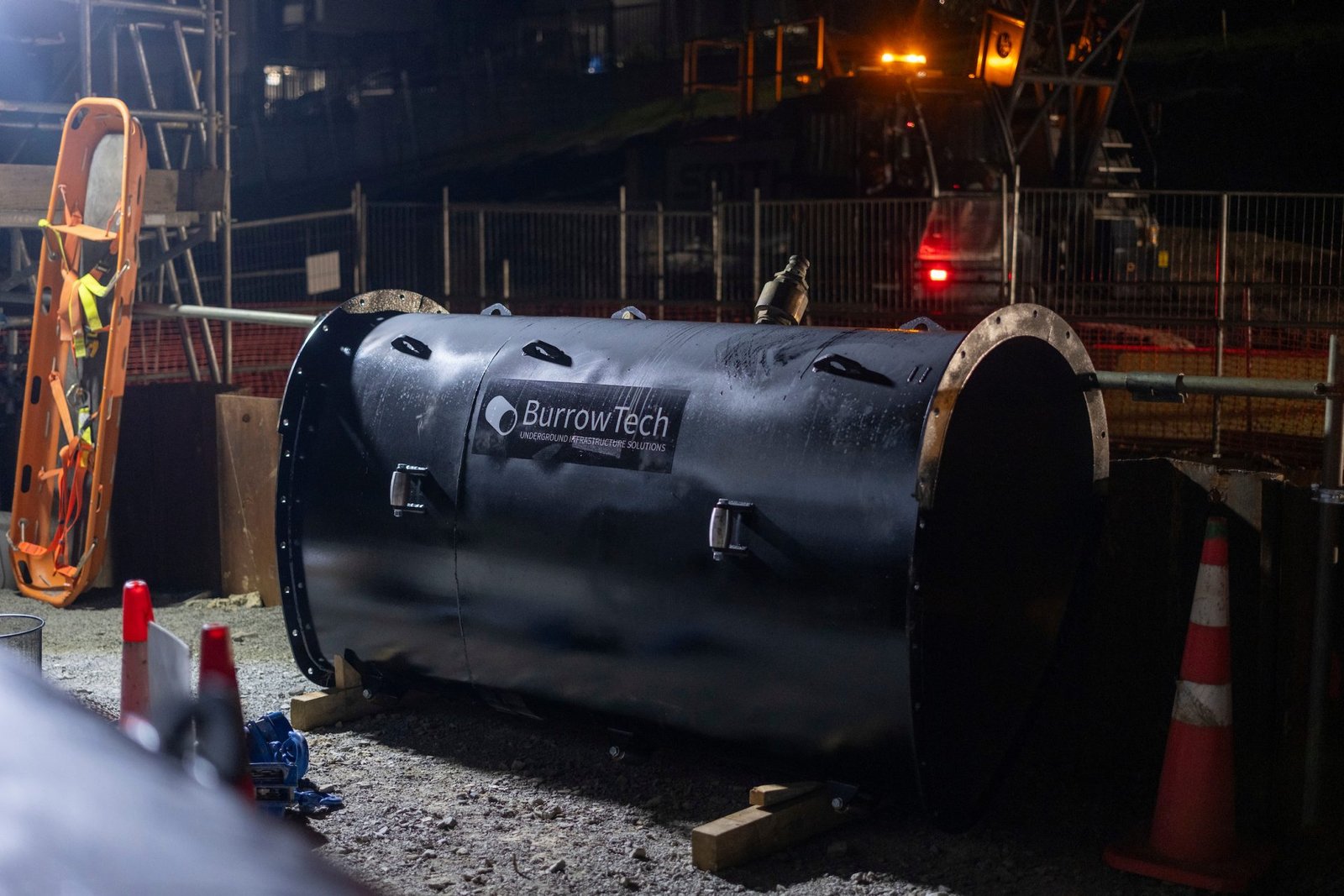
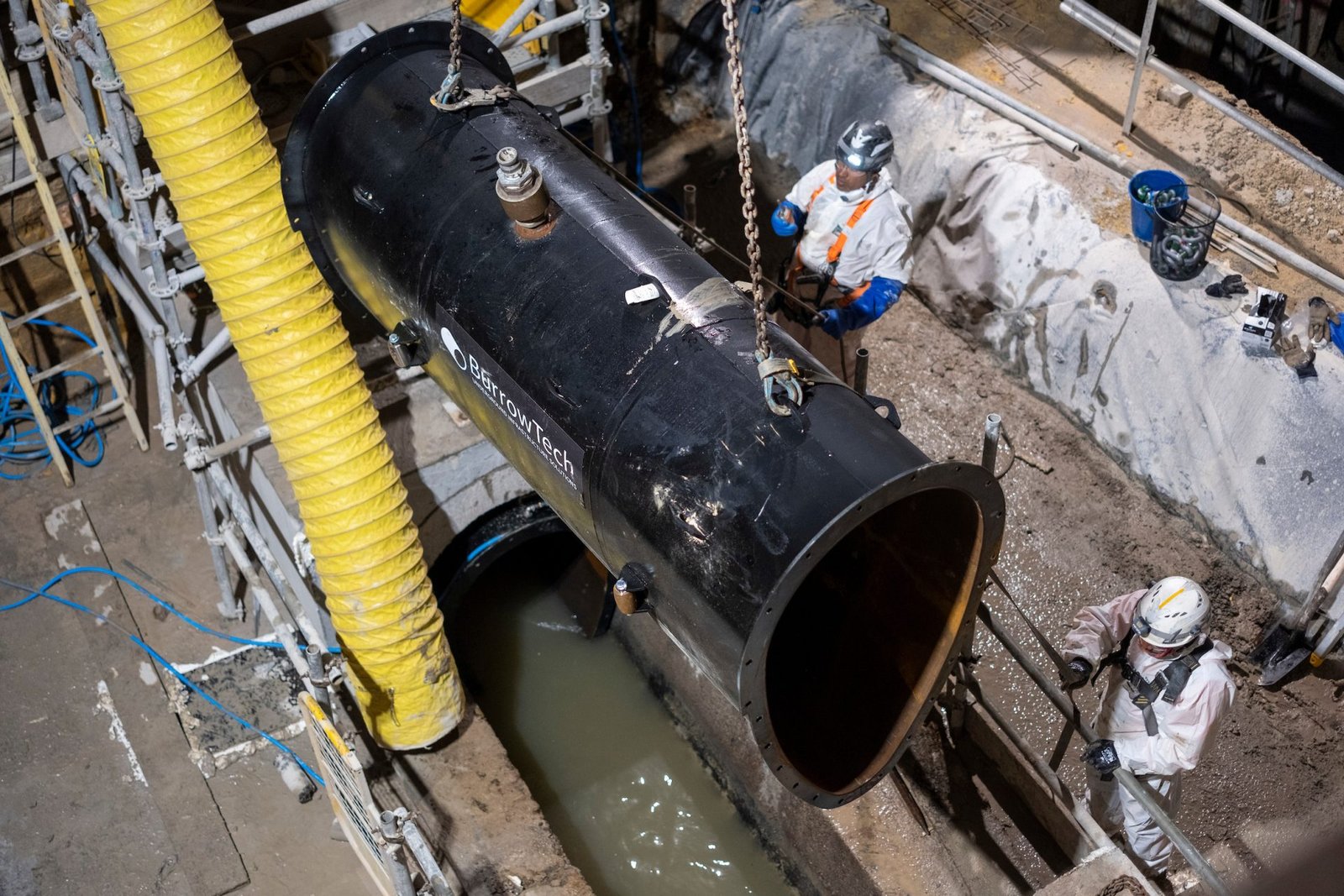
As an alternative to costly, noisy, and disruptive over-pumping, BurrowTech delivered a customised flume, in three sections, with flanges at each end.
CS1 compliance is always an important consideration, and a lot of technical information had to be considered, including wall thickness. Hayden says the design also needed to be independently design checked before deployment.
The Rawalpindi Street shafts form part of the giant 16.2-kilometre-long Central Interceptor tunnel, which has 4.5m internal diameter. It is intersected by two link sewers and runs from Point Erin, Herne Bay, to Māngere Wastewater Treatment Plant.
The tunnel sits deep below ground (15-110m) and collects flows from suburbs where there is a combined stormwater/wastewater network.
In dry weather, the network works well. But in heavy rain, the system becomes overwhelmed by stormwater and overflows occur into streams and Waitematā Harbour beaches. The new Central Interceptor tunnel will capture these flows, taking them to the Māngere Wastewater Treatment plant for processing, resulting in a significant improvement in water quality.
The first half of the tunnel (from May Road, Mount Roskill south) went into operation in January this year. The new pump station is successfully sending flows to the treatment plant for processing, meaning that significant quantities of combined stormwater/wastetwater are no longer spilling into streams and Manukau Harbour.
The Central Interceptor is the largest wastewater infrastructure project in New Zealand’s history.
Hayden says the Rawalpindi Street flume is likely to be in place for up to nine months whilst Watercare’s construction partner, Ghella Abergeldie Joint Venture (GAJV) continues the work on the Ōrākei Main Sewer.
Once the chamber is built, the flume will be removed.
The Central Interceptor tunnel is designed to last 100 years.